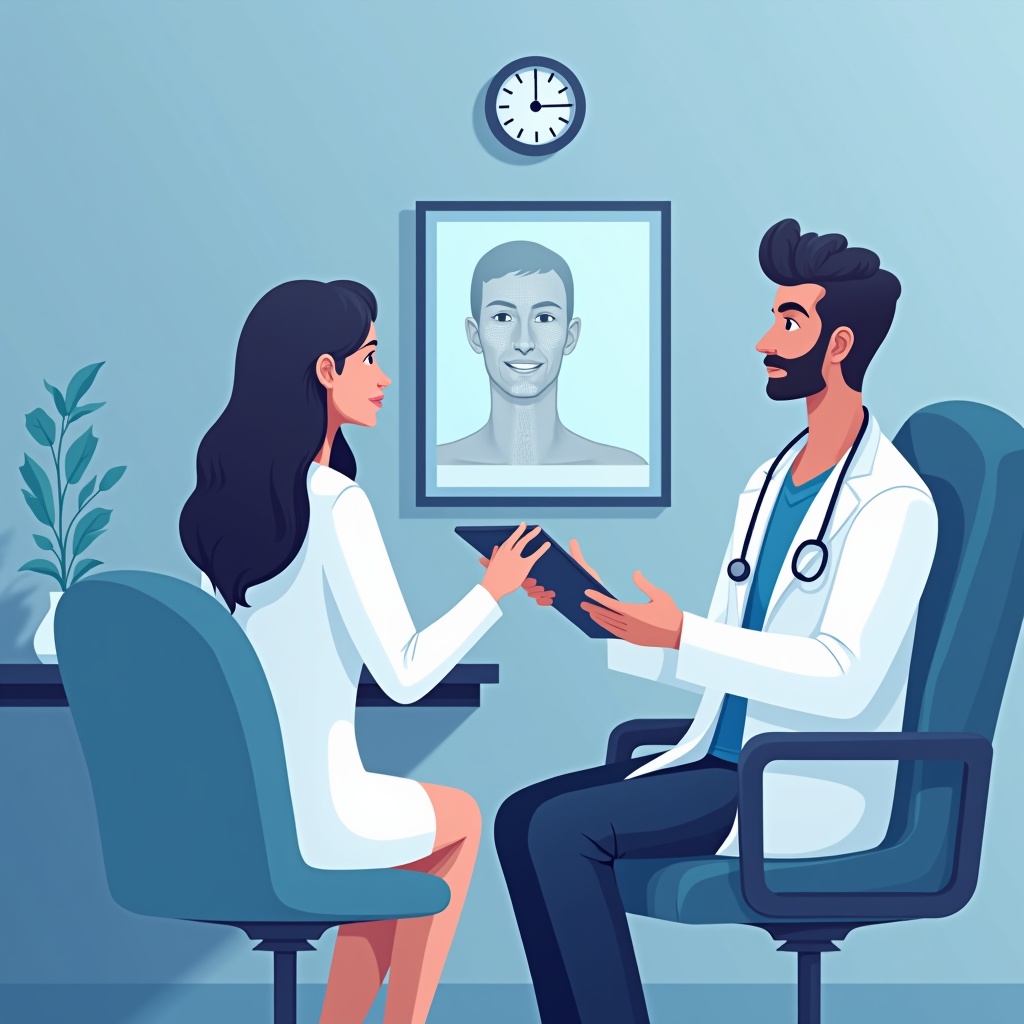
Virtual consultations in aesthetic medicine have grown dramatically since 2020. What started as a necessity during global lockdowns has become a lasting expectation: patients now want the convenience of remote interaction with their telemedicine aesthetic clinic before committing to in-person visits. Whether it is a pre-treatment assessment, a post-procedure follow-up, or a second opinion, telemedicine aesthetic clinic services are redefining how practitioners engage with patients. For clinics that have not yet embraced this shift, the question is no longer whether to adopt virtual consultations — it is how quickly you can implement them without compromising quality or compliance. This guide covers every aspect of telemedicine aesthetic clinic integration, from regulatory requirements to practical technology choices.
What Telemedicine Looks Like in Aesthetic Medicine
Telemedicine in aesthetics is not about replacing face-to-face consultations. It is about extending the patient journey with digital touchpoints that add value at every stage. In practice, a telemedicine aesthetic clinic typically offers three core virtual services:
Pre-Consultation Assessments
Before a patient sets foot in your clinic, a virtual pre-consultation lets you gather medical history, assess expectations, review photographs submitted through a secure portal, and determine candidacy for treatment. This saves chair time and lets you prepare a personalised treatment plan in advance. For international patients, a virtual pre-consultation often determines whether they book at all. By integrating Nextmotion's digital consultation tools, you collect standardised intake forms, secure photo uploads, and consent documentation before the appointment.
Post-Treatment Follow-Ups
Follow-up appointments are essential for patient safety, yet they are especially prone to no-shows. Most post-treatment check-ins — assessing healing, reviewing results at two weeks, adjusting aftercare — can be conducted via video. With automated follow-up workflows, you trigger video check-in invitations at optimal intervals, collect patient-reported outcomes, and flag concerns requiring an in-person visit.
Second Opinions and International Consultations
Aesthetic medicine increasingly attracts patients seeking expert opinions beyond their local market. Virtual consultations make it practical to offer second opinions, attract medical tourism candidates, and build referral relationships with practitioners in other regions. A well-structured telemedicine offering positions your clinic as accessible and forward-thinking.
Legal and Regulatory Framework for Virtual Consultations
Operating a telemedicine aesthetic clinic in Europe requires careful attention to regulatory compliance. The legal landscape varies by country, but several overarching frameworks apply across the EU.
EU-Level Regulations
The European Commission's eHealth strategy promotes cross-border digital health services and sets interoperability standards. EU directives on patient rights in cross-border healthcare (Directive 2011/24/EU) establish that patients can seek remote consultations in any member state. The European AI Act, which entered into force in August 2024 with obligations phasing in through 2026-2027, also applies when AI tools are used during virtual consultations — any high-risk healthcare AI requires human oversight and transparent documentation.
France-Specific Requirements
In France, telemedicine is governed by Article L6316-1 of the Code de la Santé Publique. The Haute Autorité de Santé (HAS) has published detailed guidelines for telemedicine practice, including requirements for patient identification, informed consent, data security, and clinical documentation. Key points include:
- The patient must give explicit consent before each teleconsultation
- The consultation should be conducted via a secure platform, with hosting adapted to health data
- A written record must be added to the patient's medical file, just as with an in-person visit
- As a matter of good practice within the French care pathway, the patient should generally have been seen in person recently before a teleconsultation, though several exceptions apply
GDPR and Patient Data Protection
Every virtual consultation generates sensitive health data — video recordings, photographs, medical notes, treatment plans. GDPR compliance is essential: appropriate security measures such as end-to-end encryption, explicit patient consent, and clear data-retention policies. In France, hosting health data is also subject to a separate national requirement — it must be entrusted to an HDS-certified host, which goes beyond the GDPR itself. Consumer tools like Zoom or WhatsApp create significant compliance risk. Purpose-built healthcare platforms are designed to help meet these standards from the outset.
5 Best Practices for Virtual Consultations in Aesthetics
Implementing telemedicine effectively requires more than installing a video call tool. Here are five best practices for integrating virtual consultations into your clinic's workflow.
1. Standardise the Virtual Consultation Workflow
Create a structured protocol for every type of virtual appointment. Define what information must be collected before the call (medical history, photos, consent forms), what should happen during the call (clinical assessment framework, treatment discussion, documentation), and what follows after (summary sent to patient, notes added to file, next steps scheduled).
Standardisation ensures consistency across practitioners and reduces the risk of missing critical steps. It also makes training new team members straightforward.
2. Invest in Proper Lighting and Camera Setup
Aesthetic medicine is inherently visual. Use a high-resolution webcam, consistent front-facing lighting (ring lights work well), and position the camera at eye level. For patients submitting photos beforehand, provide clear instructions: consistent lighting, neutral background, multiple angles — the virtual equivalent of your in-clinic photography protocol.
3. Use a Compliant, Purpose-Built Platform
Choose a telemedicine platform built for health data, with hosting adapted to health-data requirements and end-to-end encryption, that integrates with your patient management system and provides features specific to aesthetic medicine — such as secure photo sharing, annotation tools, and AI-powered analysis capabilities. Generic video conferencing tools lack the compliance guarantees and clinical features your practice requires.
4. Maintain the Human Connection
Patients choosing aesthetic treatments are making deeply personal decisions. A virtual consultation must feel warm, attentive, and unhurried — not like a transactional video call. Make eye contact by looking at the camera, not the screen. Minimise distractions. Allow adequate time for questions. Send a personalised follow-up message after the call.
The clinics that excel at patient retention treat virtual consultations with the same care and attention as in-person appointments. The medium changes; the quality of the relationship should not.
5. Integrate Virtual Consultations into Your Full Patient Journey
Telemedicine should not exist as a siloed add-on. The virtual consultation must connect seamlessly to scheduling, patient records, consent management, and follow-up workflows. When a patient moves from virtual pre-consultation to in-clinic treatment to virtual follow-up, every touchpoint should share the same data. This integration eliminates duplicate entry and creates a smooth experience. Platforms like Nextmotion are designed for this end-to-end integration.
Technology Requirements and Integration
Building a telemedicine capability for your aesthetic clinic involves several technology components. Here is what you need:
- Secure video platform — HD video with end-to-end encryption, compliant with local health data regulations. Must support screen sharing for reviewing photos, imagery, and treatment plans during the call.
- Digital intake and consent — Online forms that patients complete before the consultation, with electronic signature capability and automatic filing into the patient record.
- Photo management — Secure upload, storage, and annotation of patient photographs. Standardised capture guidelines sent to patients in advance.
- Calendar and scheduling integration — Virtual appointments must appear in the same calendar as in-person visits, with automated reminders and buffer times.
- Patient record integration — Notes, photos, consent forms, and treatment plans from virtual consultations must flow directly into the patient's central file. No manual copying between systems.
- Automated follow-up — Post-consultation workflows that trigger reminders, satisfaction surveys, and next-step scheduling without manual intervention.
The critical requirement is integration. Disconnected tools create data silos, compliance gaps, and administrative overhead that negate the efficiency gains telemedicine should deliver. An all-in-one platform that combines digital consultation, patient records, photo management, and automated follow-up provides the most robust foundation.
Measuring the Impact of Virtual Consultations
To justify the investment and continuously improve your telemedicine offering, track these key metrics:
- Conversion rate — What percentage of virtual pre-consultations convert to booked treatments? Compare this to your in-person consultation conversion rate.
- No-show rate — Virtual appointments often see notably lower no-show rates than in-person follow-ups. Track yours to quantify the benefit.
- Patient satisfaction — Use post-consultation surveys to measure satisfaction with the virtual experience. Pay attention to technology ease-of-use, perceived quality of interaction, and willingness to use telemedicine again.
- Time savings — Measure the average time saved per virtual vs. in-person consultation, including preparation and documentation time.
- Geographic reach — Track the percentage of patients consulting from outside your usual catchment area. Telemedicine should expand your market.
Review these metrics quarterly and use them to refine your virtual consultation protocols, technology choices, and team training.
Start Offering Virtual Consultations in Your Aesthetic Clinic
Telemedicine is no longer an experimental add-on for forward-thinking clinics — it is a core component of modern aesthetic practice. Patients expect the flexibility of virtual consultations, and clinics that deliver them well can gain a competitive advantage in conversion, patient satisfaction, and operational efficiency.
The key is to implement virtual consultations within a compliant, integrated framework rather than cobbling together consumer tools. Start with one use case — pre-consultation assessments are the easiest entry point — measure the results, and expand from there.
Nextmotion supports aesthetic clinics across Europe in building seamless digital patient journeys that include virtual consultations, digital consultation tools, automated follow-up, and full GDPR-compliant data management.
Request a free demo to see how Nextmotion can help you launch or optimise telemedicine in your aesthetic clinic.