Why 2026 Is the Tipping Point to Digitalize Your Aesthetic Clinic
If you still run your aesthetic clinic on paper records, scattered spreadsheets, or disconnected apps, 2026 is the year to change. The decision to digitalize your aesthetic clinic is no longer a competitive advantage -- it is a survival requirement. Patients now compare providers online, book from their phones, and expect to visualize results before the first consultation. Clinics that cannot deliver this seamless digital experience are losing patients to those that can.
Three forces are converging to make this shift urgent:
- Rising patient expectations: today's aesthetic patients choose providers based on the quality of the digital journey -- online booking, before-and-after galleries, and messaging-based follow-up.
- Competitive pressure: clinic chains and early-adopter practitioners are investing heavily in digital tools, raising the bar for every practice in the market.
- Regulatory tightening: GDPR, mandatory electronic invoicing, and EU eHealth regulations now require compliant data hosting and processing. Non-compliance carries real financial penalties.
The good news: with the right methodology and a specialized platform, you can digitalize your aesthetic clinic in a matter of weeks without disrupting daily operations.
The 4 Pillars of Clinic Digitalization
A truly digital aesthetic clinic rests on four interconnected pillars. Each solves a specific problem, but it is their integration within a single platform that creates real value.
1. Patient CRM and clinic management
The CRM is the foundation of your digital clinic. It centralizes every patient's contact details, treatment history, signed consents, clinical photos, and consultation notes. A CRM built for aesthetics, such as NextMotion's Clinic Manager, goes beyond a generic client file. It segments your patient base, triggers automated follow-ups, and tracks each patient from first contact through post-treatment care. For a deeper comparison of available solutions, see our best aesthetic clinic software guide.
2. Smart scheduling
Online booking is the first point of contact between patients and your clinic. NextMotion's Agenda module synchronizes with platforms like Doctolib in real time, eliminating double bookings. Automated SMS and email reminders reduce no-shows by 30 to 50 percent on average -- a direct boost to revenue without a single extra marketing euro spent.
3. Standardized clinical photography
In aesthetic medicine, photography is simultaneously a diagnostic tool, a medico-legal record, and a marketing asset. Standardized, reproducible before-and-after photos are essential for documenting results, building patient trust, and fueling your online presence. NextMotion's Capture system ensures consistent shooting conditions -- lighting, angle, distance -- for reliable comparisons. Learn more about why this matters in our guide to standardizing before-and-after photos.
4. AI-powered decision support
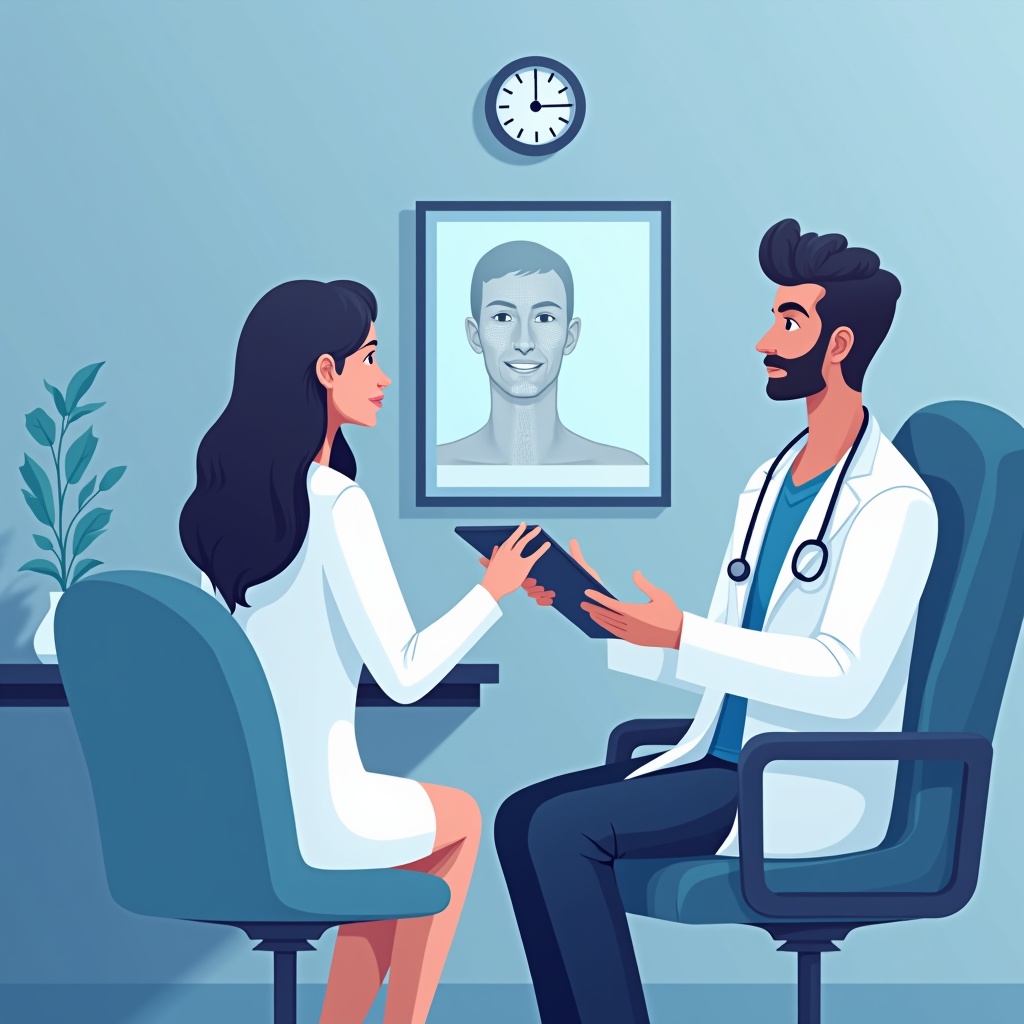
Artificial intelligence is transforming the aesthetic consultation. 3D simulation lets patients visualize outcomes before treatment, improving decision-making and reducing post-treatment dissatisfaction. AI copilots can suggest personalized treatment plans based on morphological analysis. Discover the full range of possibilities in our article on AI use cases in aesthetic medicine. As the WHO notes, digital health tools are reshaping clinical practice worldwide, and aesthetics is no exception.
Step-by-Step Implementation Roadmap
When you digitalize your aesthetic clinic, the deployment matters as much as the software choice. Here is a proven four-phase plan.
Phase 1: Data migration (weeks 1-2)
- Inventory all existing patient data: paper files, spreadsheets, photos on phones, consent templates.
- Clean the data -- eliminate duplicates, update outdated contacts, archive inactive records.
- Import into your new platform using structured migration tools. NextMotion provides dedicated migration support.
- Spot-check 20 to 30 imported records to verify data integrity.
Phase 2: Team training (weeks 2-3)
- Appoint one or two internal champions who receive in-depth training first.
- Run group sessions of two hours maximum, focused on daily tasks: creating a record, capturing a photo, scheduling an appointment.
- Run the new software in parallel with the old system for one week to catch issues early.
Phase 3: Go-live (weeks 3-4)
- Switch fully to the new platform. Keep read-only access to the legacy system for one month.
- Hold brief daily stand-ups to collect team feedback and resolve blockers fast.
Phase 4: Optimization (months 2-3)
- Activate automations: appointment reminders, patient reactivation campaigns, review requests.
- Enable advanced features: 3D simulation, AI treatment recommendations, analytics dashboards.
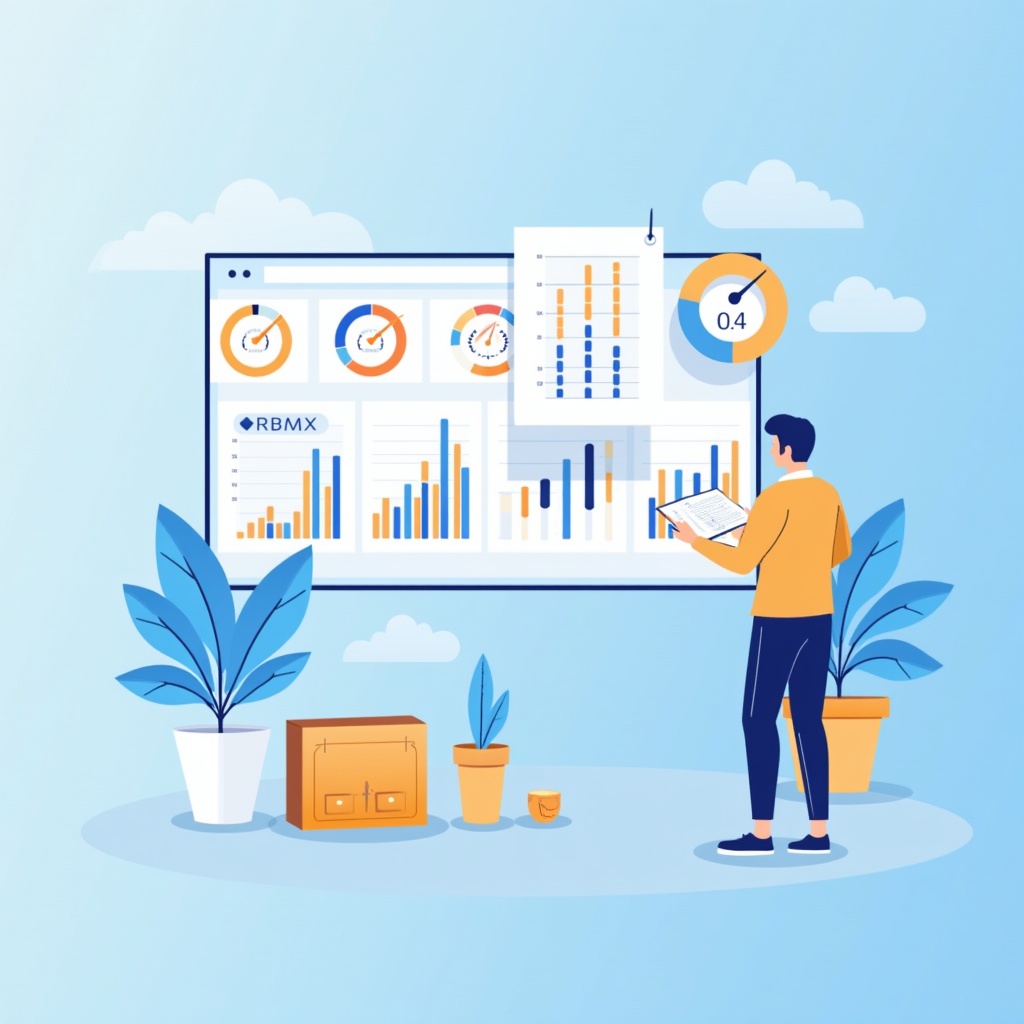
- Measure key indicators -- admin time, no-show rate, conversion rate, patient satisfaction -- and compare to your baseline.
Common Mistakes to Avoid
Having helped over 500 clinics across Europe digitalize their operations, we have identified the most frequent pitfalls:
- Trying to do everything at once: start with CRM and scheduling before activating simulation and AI. A phased rollout ensures each feature is properly adopted.
- Neglecting team training: software your team does not use is a wasted investment. Budget training time and designate internal champions.
- Choosing generic software: solutions built for general practitioners lack the features aesthetic clinics need -- standardized photo capture, injectable tracking, outcome simulation, consent workflows.
- Ignoring compliance: storing medical photos on a non-certified cloud or communicating with patients via consumer messaging apps violates GDPR and health data hosting requirements. Choose a platform that is HDS-certified and GDPR-compliant from the start.
- Failing to measure ROI: define key performance indicators before you begin and track them monthly. Without data, you cannot optimize.
How to Choose the Right Platform
The market for aesthetic clinic software has grown rapidly. To choose wisely, evaluate each solution on these criteria:
- Specialty-specific coverage: does it handle before-and-after photos, injectable product management, aesthetic consent forms, and outcome simulation natively?
- Cloud-based architecture: cloud software means access from any device, automatic updates, and simplified maintenance -- the standard for 2026.
- Compliance built in: HDS certification for health data hosting (mandatory in France), GDPR-native consent management, data hosted within the EU.
- Interoperability: seamless integration with booking platforms, accounting tools, and your website.
- Training and support: responsive multilingual support and structured onboarding resources make or break adoption.
A specialized platform like NextMotion was built from the ground up for aesthetic medicine and plastic surgery. That specialization translates into daily time savings, a better patient experience, and compliance by design. For a side-by-side comparison, read our software comparison for 2026.
Take the Next Step: Digitalize Your Clinic Today
The decision to digitalize your aesthetic clinic is not just a technology project -- it is a practice transformation that directly benefits your patients and your bottom line. With the right plan and a specialized platform, results are fast and measurable: clinics typically save 8 to 12 hours of admin time per week, reduce no-shows by up to 50 percent, and increase consultation-to-treatment conversion by 15 to 25 percent.
NextMotion already supports over 500 clinics across Europe with an all-in-one, HDS-certified, GDPR-compliant platform available in 7 languages.
Ready to get started? Request a personalized demo and discover how NextMotion can transform your aesthetic clinic in just a few weeks.